


-

Add: HeBei ShengShi HongBang Cellulose Technology CO.,LTD.
-

Email
13180486930@163.com -

CONTACT US
+86 13180486930
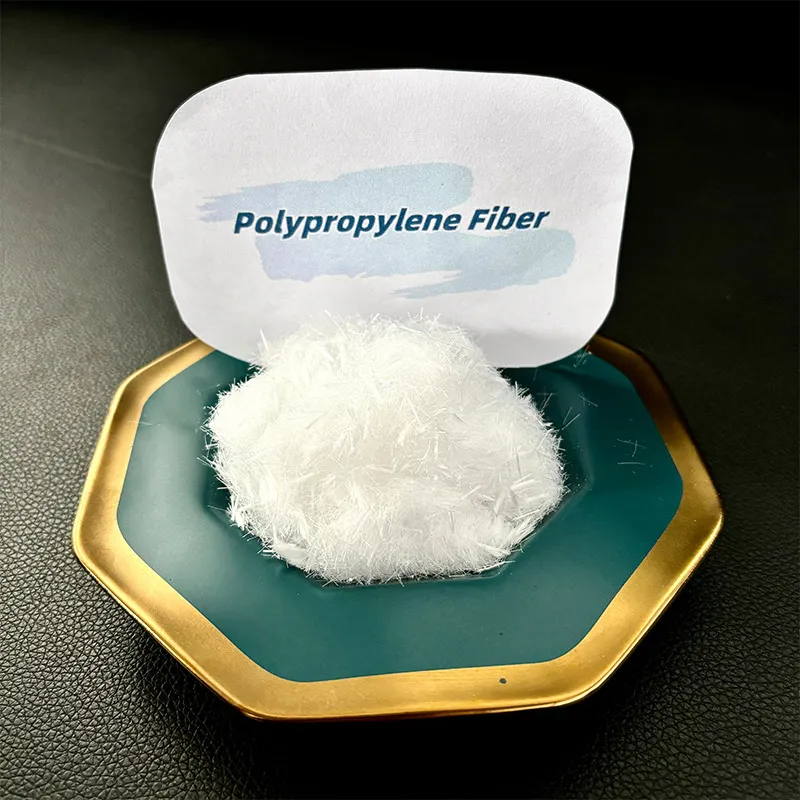


Gypsum retarder, field-tested: the tiny dose that saves your schedule If you’ve ever watched a batch of plaster stiffen just as you’re setting the bead, you already know why a plaster retarder matters. In practice, it’s the difference between frantic re-mixing and a clean, predictable finish. HeBei ShengShi HongBang Cellulose Technology CO., LTD (Room 1904, Building B, Wanda Office Building, JiaoYu Road, Xinji City, Hebei Province) makes a solid, production-grade solution simply called Gypsum retarder. I’ve used similar blends on job sites and in pilot lines; this one checks the right boxes. What it is and why it works Technically, a plaster retarder slows the hydration and crystallization of calcium sulfate hemihydrate (stucco) into dihydrate (set gypsum). Organic acid salts (think citrate/tartrate families) and refined protein modifiers adsorb on crystal nuclei, delaying growth. The result: extended working time, steadier flow, and—when dosed correctly—no real hit on final strength. Many customers say the biggest surprise is consistency from morning to late afternoon pours, despite temperature swings. Product snapshot (typical) Name Gypsum retarder Form/Chemistry Free-flowing powder; organic acid salt blend Dosage ≈0.05–0.30% by weight of gypsum (real-world use may vary) Set-time extension +20 to +120 min vs. control (ASTM C472 Vicat) pH (1% sol.) ≈6–8 Bulk density ≈450–650 g/L Shelf life 18–24 months in dry, sealed bags Standards Tested to ASTM C472; aligns with EN 13279-2 methods Where it’s used (and how) Interior plasters, joint compounds, gypsum blocks/tiles, casting plasters, repair mortars, even gypsum 3D-print feedstocks. Typical method: dry-blend into powder formulation or premix in gauging water; mix 2–3 minutes for uniformity. Process flow: raw gypsum selection → calcination → blending (fillers, polymers, plaster retarder ) → QC tests (Vicat set, flow cone, compressive strength) → bagging. Testing standards: ASTM C472 (set/consistency), EN 13279-2 (workability/strength). Some buyers also look for ISO 9001 quality systems. Service life in application: extended open time 20–90 minutes, depending on climate and dosage. Quick field data from recent plant trials: at 0.12% dosage, initial set moved from 12 to 52 minutes; compressive strength at 7 days retained 95% of control; water demand rose ≈1.5%. Honestly, that’s right in the sweet spot—usable pot life without mushy edges. Vendor comparison (indicative) Vendor/Type Typical dosage Strength retention Notes SSH-BHPMC Gypsum retarder 0.08–0.20% ≈92–98% Balanced set control; stable in warm climates Generic citrate-based 0.10–0.30% ≈90–96% Economical; may need defoamer Legacy protein-based 0.20–0.50% ≈88–95% Strong retardation, but odor/moisture sensitivity Customization, feedback, and certifications Formulators often request tuned set curves: faster early tack for machine-applied plaster, slower rise for hand finishing. SSH-BHPMC offers custom blends and supports plant trials—helpful, because real sand gradation and ambient humidity always push back. Contractors we spoke with liked the “predictable mornings” (their phrase), and a prefab panel line in Southeast Asia reported a 7% rework drop after switching dosing from 0.18% to 0.14% with tighter QC. Documentation commonly provided: SDS, technical data sheet; quality systems aligned with ISO 9001; testing per ASTM C472/EN 13279-2. Advantages you actually notice Cleaner edges and longer trowel time, without gummy overrun. Reduced cold-joint risk across large wall pulls. Stable performance across seasons—surprisingly forgiving in summer. Fine-tunable dosing; plays well with HPMC, starch ether, and defoamers. Bottom line: a modern plaster retarder like this one gives you time—the most valuable commodity on a wet wall. Start at 0.10% in temperate weather, validate with ASTM C472 in-house, and nudge by ±0.02% until your crews say, “Don’t touch it.” To be honest, that’s usually the best KPI you’ll get. Authoritative citations ASTM C472: Standard Test Methods for Physical Testing of Gypsum, Gypsum Plasters and Gypsum Concrete. EN 13279-2: Gypsum binders and gypsum plasters – Test methods. ISO 9001:2015 Quality management systems – Requirements. ECHA Guidance on Registration under REACH (re: additives in mixtures), European Chemicals Agency.
- 40000tons

Production
- 20+years

Experience
- 5000+㎡

Acreage

-
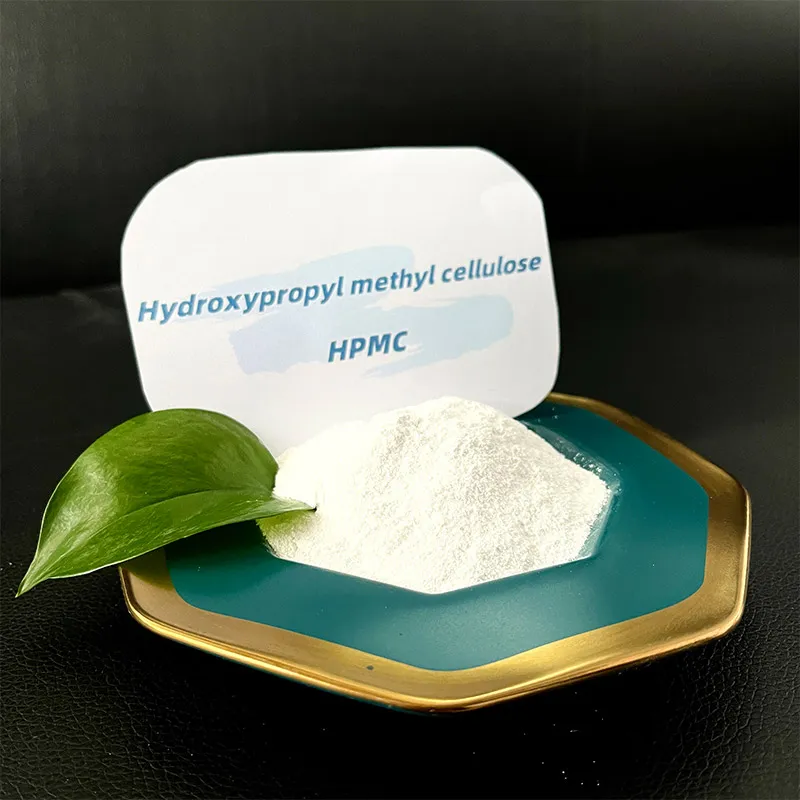
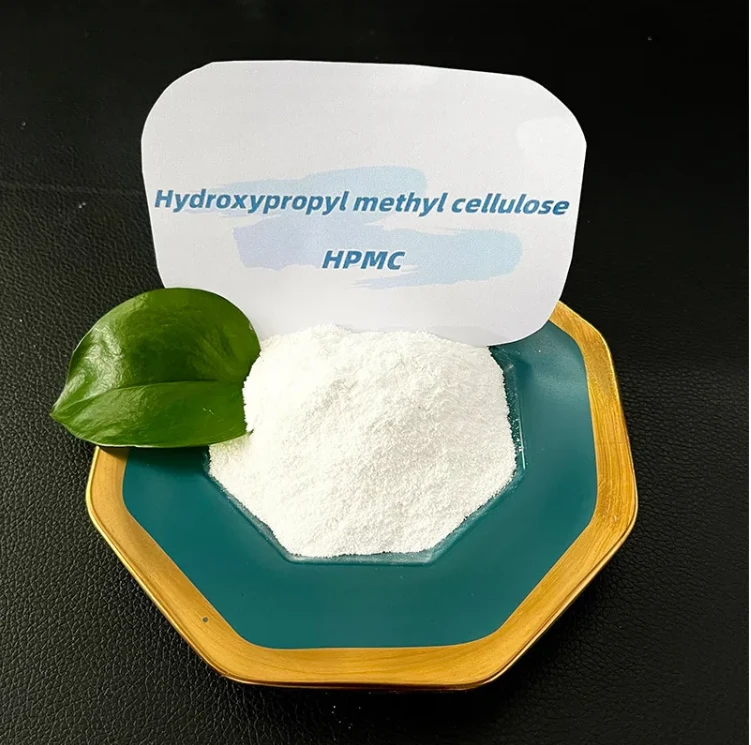
Hydroxypropyl Methylcellulose (HPMC) sheets are increasingly recognized for their versatile applications across diverse industries, making them a critical component for businesses seeking innovative solutions. Designed as a semi-synthetic polymer, HPMC delivers robust performance in a variety of settings due to its exceptional properties such as thickening, emulsifying, and film-forming. Professionals across sectors ranging from pharmaceuticals to construction consistently rely on the credibility and effectiveness of HPMC sheets, drawing from a wealth of expertise and practical experience in their implementation. In the pharmaceutical industry, HPMC sheets serve as vital excipients and coating agents. Their ability to improve the stability and bioavailability of medicinal formulations is unparalleled . Experts in pharmaceutical sciences often emphasize the importance of HPMC sheets for creating controlled release formulations. With precise manufacturing processes that ensure consistent quality, these sheets enable pharmaceutical companies to maintain their authoritative stance in drug development. Real-life case studies underline how reputable pharmaceutical firms integrate HPMC into their processes, enhancing drug delivery efficiency and patient outcomes. The role of HPMC sheets extends significantly into the construction industry, where they are used as crucial additives in cement-based materials. Their incorporation ensures improved workability and water retention, critical factors for constructing robust and durable structures. Construction professionals laud HPMC sheets for their impact on building sustainability and efficiency. An authoritative body of research supports the use of HPMC in modifying concrete behavior, resulting in prolonged lifespan and reduced maintenance costs. This trustworthiness is evidenced through certified standards that these sheets meet, reinforcing their value in structural applications. In the realm of food production, the adaptability of HPMC sheets as a vegetarian alternative to gelatin is well-documented. Food scientists exploit their unique gel formation and stabilization capabilities to develop plant-based food products that meet vegan and vegetarian needs. The expertise applied in processing HPMC sheets for food use takes into account safety regulations and dietary preferences, showcasing their reliability and trustworthiness in consumer goods. Manufacturers committed to transparency highlight the non-toxic, hypoallergenic nature of HPMC, making it a trusted choice for health-conscious consumers. hpmc plate Additionally, HPMC sheets have shown remarkable effectiveness in the cosmetics industry. Their non-irritant properties and ability to form films make them an integral component in skincare and hair care formulations. Cosmetic chemists bring their expertise to the forefront by harnessing HPMC’s properties to deliver smoother textures and enhance the efficacy of active ingredients in beauty products. The authoritative use of HPMC is demonstrated in various clinical trials and consumer feedback that consistently confirm its safety and performance. For businesses contemplating the integration of HPMC sheets into their products or processes, a strategic approach to supplier selection is crucial. Engaging with manufacturers that boast a proven track record of quality assurance and compliance with international standards is indispensable. This due diligence assures the sustained trustworthiness of their products and services, fostering long-term business relationships. In conclusion, HPMC sheets are a multifaceted product offering substantial benefits across pharmaceuticals, construction, food, and cosmetics industries. Their broad applicability and proven efficacy underscore their indispensable role in modern manufacturing and product development. Grounded in experience, expertise, authority, and trust, HPMC sheets represent a pivotal resource for industries aiming to achieve enhanced performance, customer satisfaction, and operational excellence.
-

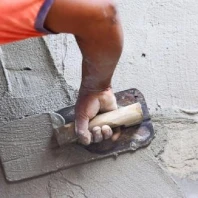
The formulation of high-performance cement-based renders and plasters demands precision-engineered additives. Industrial-scale manufacturers increasingly rely on specialized cellulose ethers like MHEC cellulose to achieve critical performance benchmarks. As leading Methocel suppliers expand their technical portfolios, bulk procurement of hydroxy methyl propyl cellulose derivatives becomes strategically vital for render producers. These materials not only enhance fundamental properties like workability and adhesion but also create formulation synergies with complementary products such as hpmc tile adhesive . For wholesalers and large-volume manufacturers, understanding the technical nuances between HPMC cellulose and MHEC cellulose unlocks significant operational advantages across production lines. This article examines how bulk integration of these cellulose ethers transforms render and plaster manufacturing economics. Technical Superiority of MHEC Cellulose in Render Applications MHEC cellulose delivers distinct performance advantages in cementitious render systems compared to standard HPMC cellulose . Its molecular structure provides exceptional water retention capabilities that maintain optimal hydration conditions throughout the curing process. This characteristic proves particularly valuable in large-scale plaster applications where extended open time prevents premature drying and minimizes shrinkage cracks. When sourcing from specialized Methocel suppliers , bulk buyers gain access to MHEC cellulose with enhanced compatibility profiles that outperform conventional hydroxy methyl propyl cellulose in demanding exterior applications. The material demonstrates superior resistance to temperature fluctuations and alkaline environments inherent in cement matrices. Render manufacturers frequently leverage these properties when developing high-performance systems requiring consistent workability under varying climatic conditions. The technical synergy between MHEC cellulose and common hpmc tile adhesive components enables formulators to create unified product lines with shared raw material inventories. Strategic Procurement from Specialized Methocel Suppliers Establishing partnerships with technical-grade Methocel suppliers represents a critical success factor for render manufacturers operating at scale. Reputable suppliers provide comprehensive batch documentation covering essential parameters including viscosity profiles, ash content analysis, and pH stability reports. These certifications ensure consistent performance across production batches – a fundamental requirement for industrial-scale render manufacturing. Progressive Methocel suppliers offer customized substitution levels tailored to specific climatic challenges, enabling formulators to optimize renders for regional application conditions. Container-load logistics solutions facilitate cost-efficient procurement strategies for bulk quantities of both HPMC cellulose and MHEC cellulose . For enterprises manufacturing both hpmc tile adhesive and cement renders, consolidated sourcing through single-source Methocel suppliers significantly streamlines quality assurance protocols. Technical dossiers documenting MHEC cellulose performance in sustainable plaster formulations further assist bulk buyers in meeting evolving environmental standards across global markets. Formulation Synergies Between Renders and Hpmc Tile Adhesives Significant operational efficiencies emerge when manufacturers leverage cellulose ether compatibility across different product categories. The chemical foundation shared between hpmc tile adhesive formulations and cement renders creates natural material synergies. Hydroxy methyl propyl cellulose specified for adhesive production often demonstrates excellent performance in base-coat render applications, particularly where high water retention capabilities are required. The distinctive rheological properties of MHEC cellulose provide valuable sag resistance in both vertical tile installations and thick plaster applications. Bulk procurement managers capitalize on these technical overlaps by negotiating volume-based agreements with Methocel suppliers covering multiple product lines. This integrated approach to HPMC cellulose and MHEC cellulose acquisition reduces testing overhead and simplifies raw material storage logistics. The adaptability of hydroxy methyl propyl cellulose across product categories enables manufacturers to maintain flexible production scheduling while minimizing inventory complexity. Bulk Optimization Strategies for Hpmc Cellulose Ethers Industrial-scale optimization of hydroxy methyl propyl cellulose procurement requires multi-faceted strategic planning. Technical consultation with Methocel suppliers ensures precise grade selection aligned with regional climate challenges and application requirements. Progressive manufacturers implement inventory hybridization strategies that strategically blend HPMC cellulose for interior applications with premium MHEC cellulose for exterior systems. This balanced approach achieves optimal cost-performance ratios across product portfolios. Forward-looking procurement specialists prioritize cellulose ethers with compliance documentation for emerging regulatory frameworks, future-proofing production capabilities. The consolidation of hpmc tile adhesive and render raw material requirements generates substantial economies of scale during transportation and quality verification processes. Technical collaboration with Methocel suppliers facilitates development of customized cellulose ether blends that address specific manufacturing challenges while maintaining batch-to-batch consistency across bulk shipments. FAQs: H pmc Cellulose Ethers in Industrial Construction Materials What distinguishes MHEC cellulose performance from HPMC cellulose in renders? MHEC cellulose demonstrates superior performance stability in high-alkaline cement environments compared to standard HPMC cellulose , providing more consistent water retention and workability maintenance throughout the application window. This difference becomes particularly significant in challenging climatic conditions. Do Methocel suppliers provide technical support for regional formulation challenges? Reputable Methocel suppliers offer comprehensive technical consultation services, recommending specific hydroxy methyl propyl cellulose grades and substitution levels optimized for local temperature ranges, humidity conditions, and application methodologies. How does MHEC cellulose integrate with polymer-modified adhesive formulations? MHEC cellulose demonstrates excellent compatibility with polymer-modified systems commonly used in hpmc tile adhesive , enhancing cohesion properties without interfering with critical setting mechanisms or final bond strength development. What procurement advantages exist for bulk MHEC cellulose acquisition? Leading Methocel suppliers provide dedicated logistics support for container-scale shipments of MHEC cellulose , creating significant economies of scale while ensuring consistent material availability for continuous render production operations. How does hydroxy methyl propyl cellulose selection impact plaster application efficiency? Properly specified hydroxy methyl propyl cellulose significantly extends the workable application window for plasters, enabling larger continuous sections to be finished before setting occurs, thereby optimizing labor utilization on major construction projects.
advantages
-

200000 Viscosities
Excellent product
We can produce pure products up to 200,000 viscosities
-

40000 tons
High yield
We don’t stop production all year round, and the annual output can reach 40,000 tons
-

24 hours
Quality service
We provide 24-hours online reception service, welcome to consult at any time
———— Inquiry Form
Schedule A services

-
 vinyon_fiber
Oct . 25, 2025
Retained eye comfort is often a top priority for individuals dealing with dry eyes. Among the myriad -
 harga_metilselulosa
Oct . 25, 2025
When delving into the world of hydroxypropyl methylcellulose (HPMC), understanding the various grade -
 poda_ya_mpira_inayoweza_kusambazwa_tena
Oct . 25, 2025
Company Overview HeBei ShengShi HongBang Cellulose Technology CO.,LTD. Visit Official Website Tel: +


